Campus Systems
Supporting digital campus tools, workplace technology, accounts, access needs, and the technical environment that helps students, faculty, staff, and guests keep moving.
A closer look at my work as a Digital Campus Infrastructure Executive in ESSEC Business School Asia-Pacific, where campus operations, systems thinking, user support, and digital infrastructure meet.
The page continues with the public version of the work: role context, systems support, AI productivity, and the operating habits developed through the ESSEC APAC environment.
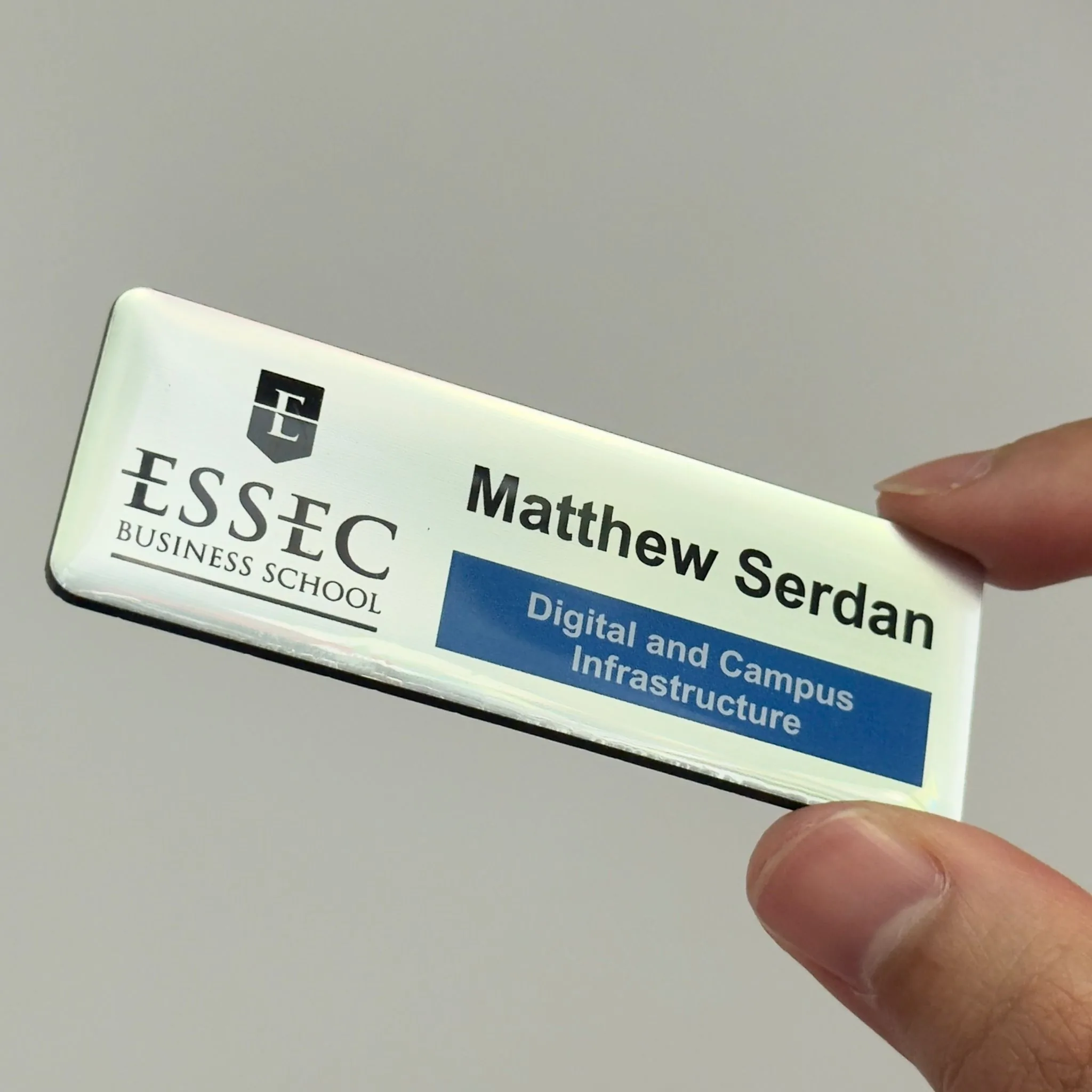
My role sits close to the day-to-day reality of a modern campus: people need reliable tools, clear support paths, well-maintained spaces, and systems that make work easier rather than heavier.
Started my ESSEC journey in a digital campus and infrastructure-focused role.
Supporting a business school environment with international users and expectations.
Working across systems, support, infrastructure, and operational continuity.
Turning recurring problems into cleaner workflows, documentation, and follow-through.
The work is not about adding tools for the sake of it. The goal is to make useful AI workflows easier to adopt, repeat, and trust across real campus operations.
AI usage and productivity increase over 3 years.
Bring practical AI tools into visible workflows and show where they help.
Turn repeated uses into cleaner processes, examples, and working habits.
Use adoption patterns to refine productivity, support, and team confidence.
The public version of the work is best understood through the areas it touches: infrastructure reliability, campus support, workflow improvement, and practical digital enablement.
Supporting digital campus tools, workplace technology, accounts, access needs, and the technical environment that helps students, faculty, staff, and guests keep moving.
Helping maintain reliable spaces and equipment by coordinating issues, following through on fixes, and making technical support feel calmer and more structured.
Looking for repeated friction points, documenting better ways of working, and improving handoffs so operational work becomes easier to understand and repeat.
The role keeps strengthening both technical and human parts of my work: diagnosing problems, communicating clearly, prioritizing requests, and building systems that can survive real use.
Learning how to connect tools, people, policies, and physical spaces into one clearer operating picture.
Balancing speed, accuracy, and empathy when handling requests from a wide range of campus users.
Turning fixes into clearer references, repeatable steps, and cleaner coordination for future work.